Texas State Parks Are Crazy Underrated — Here Are the 7 Best

These Texas hidden gems feature majestic mountains, dramatic canyons, deserts, sparkling lakes, and—wait even alligator-filled swamps. The parks are filled with a treasure trove of well-preserved history and world-renowned trails for hiking and biking. They also offer peaceful fishing spots and some of the most legendary rock climbing in the country—all affordable and accessible. Seriously underrated, and often completely overlooked, these parks are some of my favorite places to explore.
I’ve visited all of these locations with my family and used articles and online reviews to put together this list.
Brazos Bend State Park
Located just 28 miles from Houston, Brazos Bend State Park offers a surprising variety of ecosystems — wetlands, forests, lakes, marshes, and prairies — all connected by 37 miles of scenic nature trails. Established in 1984, the park supports a wide range of wildlife and provides affordable, comfortable campsites, making it a hidden gem for nature lovers, birdwatchers, families, and anyone seeking adventure in one of Texas’s most unique parks.
The park’s trails are well-maintained and suitable for all abilities. The Elm and Horseshoe Lake Loop Trail, just 2 miles long, is one of the most popular hikes and offers breathtaking views. Visitors often spot alligators, with the park estimated to host around 250. Trails feature wide gravel paths, boardwalks over the water, and observation decks that provide stunning views of wetlands and woodlands. The three-story wooden observation tower at 40-Acre Lake offers an elevated vantage point ideal for landscape and wildlife photography.
Brazos Bend also features picnic areas with tables and grills, perfect for enjoying a meal surrounded by nature. The campground balances a wild, secluded feel with modern amenities, including hot showers and cabins, with campsites starting at $12.
What makes Brazos Bend truly special is its combination of diverse ecosystems, abundant wildlife, and easy accessibility. It’s an underrated paradise — one of the most remarkable state parks in Texas.
Hueco Tanks State Park and Historic Site
Hueco Tanks State Park and Historic Site is famous for its one-of-a-kind rock formations, ancient rock art, and world-class rock climbing. Located 30 miles northeast of El Paso, the park is carefully managed to preserve its rich history and unique desert ecology.
The area is made of syenite porphyry, a coarse igneous rock similar to granite but with little quartz. This rock creates the rugged boulders, caves, cliffs, and huecos that make the park so iconic. According to the National Park Service, “hueco” is the Spanish word for hollow. These natural basins in the boulders and rock faces hold water, creating a rare desert micro-ecosystem formed over centuries as weather eroded the stone.
Hueco Tanks protects one of the highest concentrations of pictographs and petroglyphs in the Southwest, with over 2,000 examples. Pictographs are ancient drawings painted onto rock with natural pigments, while petroglyphs are carved, pecked, or scratched into stone. This rock art is extraordinarily significant, offering some of the oldest surviving records of human life and culture. Many pieces are hundreds to thousands of years old, providing a direct visual connection to people who lived long before written language or photography. The art is often found near water sources, caves, and sacred spaces, reflecting the spiritual importance of these sites.
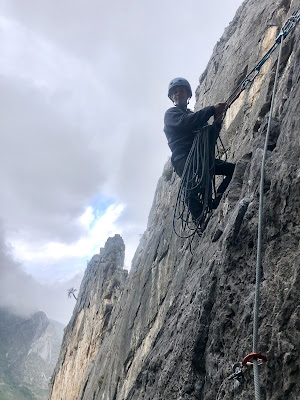
The park’s unique rock formations make it a world-class climbing destination. Climbers travel from around the globe for the steep roofs, overhanging faces, and technical bouldering problems. Along with Yosemite and Red River Gorge, Hueco Tanks has helped shape modern climbing culture. The park is filled with legendary routes and iconic problems that are considered must-do classics in the climbing world.
The visitor center, housed in an old adobe ranch house, is worth checking out. It features artifacts from archaeological digs, exhibits on the geological history of the rocks, and displays about Native American occupation and rock art. It’s also the hub for signing up for guided tours, including hiking, pictograph, and climbing tours.
Enchanted rock
This Texas park is officially a State Natural Area, located in the Texas Hill Country, about 17 miles north of Fredericksburg. It is best known for its namesake massive pink granite dome, which rises 425 feet above the surrounding landscape. Visitors come to enjoy hiking, rock scrambling, photography, and the park’s stunning night skies.
Enchanted Rock offers 11 miles of well-maintained trails, ranging from beginner-friendly walks to challenging hikes, winding through granite formations, rolling hills, and woodlands of oak, juniper, and native grasses. The park is home to diverse wildlife, including white-tailed deer, rabbits, armadillos, and a variety of birds, making it ideal for nature observation and photography.
The park’s most popular hike is 1.6 miles round trip to the summit of Enchanted Rock. From the top, visitors are rewarded with 360-degree panoramic views, making it a favorite spot for sunrise and sunset. While the massive granite dome dominates the landscape, the park’s wildflower-covered meadows come alive each spring with bluebonnets, Indian paintbrush, and black-eyed Susans, adding vibrant color to the rugged scenery.
Enchanted Rock has been sacred to Native Americans for thousands of years. Tribes like the Tonkawa, Comanche, and Apache used the area for ceremonies, hunting, and temporary camps, drawn to the dome’s mystical presence. Artifacts such as arrowheads and pottery show a long history of human connection, adding cultural depth to the park’s stunning landscape.
Enchanted Rock is a majestic and sacred destination, where hiking and spectacular views make it one of the most breathtaking state parks in Texas.
Seminole Canyon State Park & Historic Site
This criminally underrated park is located in West Texas, near the town of Comstock, about 40 miles northwest of Del Rio. It overlooks the American-Mexican border and has a rich, indispensable history showcased through some of the oldest and most complex rock paintings in Texas. Seminole Canyon is massive—your jaw will drop the first time you see it. The canyon is roughly 500 feet wide in some sections and can reach depths of 300 feet.
Seminole Canyon is a protected historic site, referred to by experts as “the oldest library in North America.” The park’s pictographs were created by ancient hunter-gatherer people, who scientists estimate lived here 2,000 to 4,000-plus years ago. The ancient art provides a wealth of information for researchers studying early spiritual beliefs, shamanic practices, and the environmental history of the Lower Pecos canyon area. The canyon also contains artifacts such as stone tools and basket fragments, offering clues about how early people survived in such a harsh desert environment. Seminole Canyon’s bone-dry air has acted as a guardian for thousands of years, keeping its rock art and fragile artifacts almost untouched by time.
The park offers a variety of activities, from family-friendly fun to true exploration. There are over 12 miles of trails featuring stunning views and a unique landscape. The Rio Grande Trail is 2.3 miles and overlooks the Rio Grande, where you can peer into Mexico from limestone cliffs. The Canyon Rim Trail is a more challenging hike, running nearly 5 miles along the canyon and offering excellent views. Visitors also enjoy picnicking, taking guided tours, and camping. The park has 46 campsites, ranging from primitive sites to ones with water and electricity.
The entrance fee is only $4 per person, and camping is affordable, starting at $10 per night. Seminole Canyon is certainly a must-visit Texas state park—one that many travelers don’t even realize exists.
Monahans Sandhills State Park
When most people picture Texas, they don’t imagine rolling sand dunes stretching as far as the eye can see. Monahans Sandhills is a truly unique Texas state park, located in Ward and Winkler Counties, near the town of Monahans. The park is a playground for everyone, with popular activities including sand sledding, photography, and hiking.
At Monahans Sandhills, you can rent a sand sled, known as a disc, from the visitor center. Then climb a towering dune and glide down the warm, golden sand. Each slide is different—the dunes constantly shift, providing new routes to surf. Pro tip: wax the bottom of the disc to slide more smoothly and faster. Early morning or late afternoon is ideal, as the sand can get extremely hot at midday. Surfing at sunset is especially magical; the vibrant sky turns the dunes into an extraordinary landscape.
Hiking at Monahans Sandhills is like wandering across a living desert canvas. There are no marked trails—just endless rolling dunes to explore. The sandy landscape is dotted with shin oaks, yuccas, and grasses adapted to desert life. Thanks to groundwater beneath the sand, wildlife including kangaroo rats, javelinas, feral hogs, and desert birds call this seemingly barren landscape home. Keep in mind the sand can be soft and deep, making walking more challenging than on typical trails. Closed-toe shoes, plenty of water, and sunscreen are recommended—the desert sun is intense. Exploring the dunes is an adventure—you feel like an ancient nomad navigating the golden sea, using landmarks to avoid getting lost.
Texas really has it all, and Monahans Sandhills State Park offers a completely unique aesthetic. For only a $4 entrance fee, you can experience an otherworldly adventure in a historic and striking landscape, enjoying activities that are available nowhere else.
Inks Lake State Park
Located in Burnet County, Texas, about an hour northwest of Austin, Inks Lake State Park spans 1,201 acres of rugged terrain featuring forested hills, rocky outcrops, and the serene Inks Lake. Visitors can enjoy a variety of activities, including cliff jumping, boating, hiking, fishing, and swimming. The park is a true gem, combining adventurous water activities with peaceful natural beauty.
Swimming & Cliff Jumping
The most popular spot for swimming and cliff jumping is Devil’s Waterhole. This small, rocky pool is fed by natural cliffs that drop into the lake, accessible via a short hike from the parking area. Jumping from the cliffs is exhilarating, plunging into clear, greenish water that’s typically pristine and allows you to see several feet below the surface. You can also swim along the lake’s eastern shore near the campground or boat ramps. Water temperatures are warm in summer and cool in winter, making it a year-round destination for swimming. Inks Lake is widely regarded as one of the best spots in Texas for cliff jumping.
Hiking & Nature
The park features 9 miles of peaceful nature trails winding through its dramatic landscape. Hikers encounter granite outcroppings, oak forests, and scenic overlooks, making it a perfect setting for photography and wildlife observation. Birdwatchers can spot wild turkeys, songbirds, and waterfowl, while the mix of woods and rocks provides habitats for other wildlife as well.
Boating
Inks Lake’s calm, scenic waters are ideal for kayaking, canoeing, and paddleboarding. Boating is beginner-friendly, with rentals available for those who don’t bring their own craft. Morning paddles are especially tranquil, offering uncrowded waters and the best opportunities to enjoy the lake’s natural beauty and spot wildlife.
Fishing
The park is also a world-renowned fishing destination, home to species such as largemouth bass, sunfish, catfish, and crappie. Visitors can fish from the shore, one of the park’s two lighted piers, or from a boat. No Texas fishing license is required when fishing from the park’s shore or piers, making it easy for visitors to enjoy a day of angling.
What sets Inks Lake State Park apart is its rare combination of rugged Hill Country cliffs, crystal-clear lake waters, and accessible adventure. While many flock to larger Texas parks, Inks Lake remains a hidden gem, offering thrilling cliff jumps, peaceful paddles, and quiet trails—all in a scenic, adventurous setting.
Davis Mountains State Park
Located on a volcanic mountain range in Jeff County Texas, the Davis Mountains state park sits at 5000-6000 feet of elevation and covers 2,709 acres of majestic canyons, awe inspiring mountains all teaming with biodiversity, history, and once in a lifetime experiences.
The park is famous for its Scenic Trails that wind through its rugged, mountainous landscape. Making it a haven for hikers and nature lovers. The most popular route, Skyline Drive, stretches for 4.5 miles along ridges and through valleys, offering breathtaking panoramic views, granite outcrops, and dramatic canyons. Other trails pass through oak and juniper forests, providing shade and opportunities to spot wildlife such as deer, javelinas, and a wide variety of birds. For those seeking a quieter experience, primitive paths and side trails offer secluded hiking through the park’s unique “sky island” ecosystem, where higher elevation creates a cool, lush environment that contrasts sharply with the surrounding desert.
Davis Mountains State Park is also rich in history, natural beauty, and night skies perfect for photography. Many of the park’s iconic structures, including picnic areas, overlooks, and the historic Indian Lodge, were built in the 1930s by the Civilian Conservation Corps, giving visitors a tangible link to Texas history. The park’s remote location and high elevation also make it a prime spot for stargazing, with dark skies that reveal countless stars, planets, and even the Milky Way on clear nights. For photographers, the park offers endless opportunities—from dramatic canyon vistas and rugged granite outcrops to forest trails, wildflowers, and wildlife, all bathed in the striking light of sunrise, sunset, or starry skies.
Camping at Davis Mountains State Park—whether at Indian Lodge, a campsite, or a primitive site—offers an immersive escape into rugged beauty. Its remote location, dark skies, and cool mountain climate make it feel far from the crowds, and despite its stunning scenery and rich history, the park remains underrated, a true hidden gem of the Texas Hill Country.
Now read about climbing in Potrero Chico Mexico: https://www.kaioutside.com/2023/11/Two-Potrero-Chico-multi-pitch-climbs.html

Comments
Post a Comment